
Tapa cloth
Artist
Unknown
Dateearly 20th century
MediumFiber and pigment
Dimensions27 x 30 in. (68.6 x 76.2 cm)
ClassificationsTextiles
Credit LineGift of Mr. and Mrs. Gordon Hanes
Object number86.16
On View
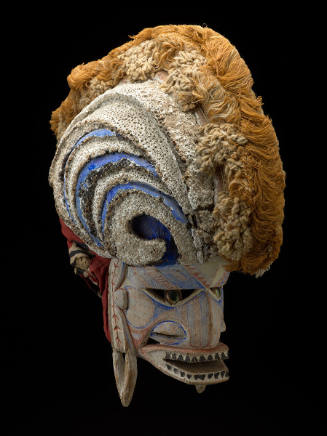
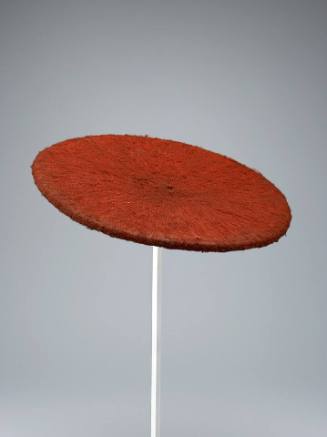
Not on viewAlthough spinning is completely unknown in Oceania, clothing, ornaments, and masks were frequently made of bark-cloth obtained from various kinds of trees. The outer bark was scraped off; the inner bark was then soaked and beaten out in strips on a log with a wooden or stone mallet; the result was a paperlike substance called tapa cloth. Decorations on tapa were emphatically geometrical, often with a complete absence of human or animal motifs. Object Rights Statement
The North Carolina Museum of Art (NCMA) makes images of its collection available online to support research and scholarship and to inform and educate the public. Certain works of art, as well as the photographs of those works of art, may be protected by copyright, trademark, or related interests not owned by the NCMA. The responsibility for ascertaining whether any such rights exist and for obtaining all other necessary permissions remains with the applicant. To request images and/or permissions from the NCMA, please complete our online request form.